Exploring With a K12 Virtual Field Trip
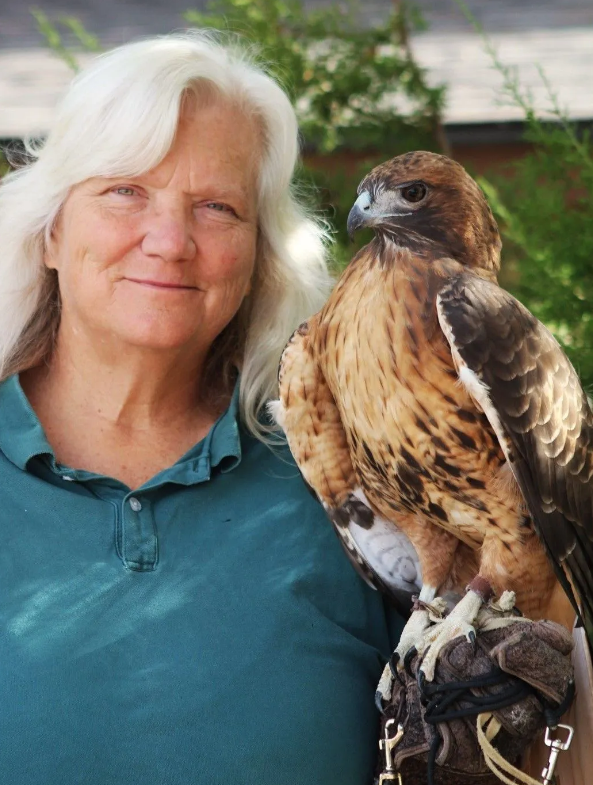
When a bird of prey is injured, getting back to the wild takes patience, care, and sometimes a little luck. During a recent K12 Virtual Field Trip, Diana Miller, director of the Raptor Center at the Nature and Wildlife Discovery Center in Pueblo, Colorado, took us on an unforgettable look into wildlife rehabilitation. Introducing guests to two remarkable birds along the way: Theo the peregrine falcon and Jasper the great horned owl.
Wildlife Rehabilitation Meets Education
As part of the Nature and Wildlife Discovery Center, the Raptor Center helps birds of prey through rehabilitation and education.
Each year, the center cares for around 300 raptors, such as hawks, eagles, owls, falcons, and vultures. Many of these birds arrive injured from car collisions, power line accidents, window strikes, or illness, or are young birds separated from their nests.
While the goal is always to release these birds back into the wild, not all can make a full recovery and will need to remain in human care. Birds like Theo and Jasper become ambassadors, taking on a new role: helping people better understand and appreciate wildlife.
Meet Theo
Theo is a 13-year-old peregrine falcon and is both an ambassador and a survivor. His story began when he was discovered injured in a field, unable to fly and severely underweight. In a creative rescue effort, folks placed a laundry basket over him until trained volunteers arrived to help!
At the Raptor Center, Theo was treated for a broken wing and severe hunger. Theo recovered his strength, but his wing healed incorrectly, and he was unable to return to the wild.
Now, Theo thrives in his new role! He travels to schools and local events to teach others about raptors. He also showcases the incredible features of peregrine falcons:
- Extraordinary vision, capable of spotting tiny prey from high above.
- Unmatched speed, reaching more than 200 mph during hunting dives!
- Powerful talons and grip strength, surprising strength for a bird who only weighs about one pound.
- Specialized beak features, including a “tomial tooth” used to hunt prey.
Theo’s story also reflects a larger conservation success. Peregrine falcons once faced near extinction due to the pesticide use of DDT. Thanks to conservation efforts, they have since made a strong comeback.
Meet Jasper
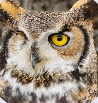
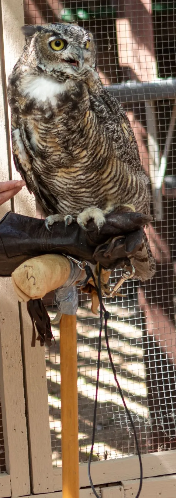
Jasper, a great horned owl, and an ambassador at Raptor Center. Image courtesy of the Raptor Center.
While Theo flaunts a high-speed hunting style, Jasper, a great horned owl, represents stealth and precision. With her soft feathers, powerful build, and impressive hearing, she is perfectly adapted for night-time hunting.
Jasper’s journey to the Raptor Center began after she suffered a few injuries, including the loss of one eye and damage to her wing. Jasper cannot survive in the wild, but she has spent more than a decade educating others!
Her unique adaptations make her a fascinating teacher. Her traits include:
- Exceptional night vision, allowing her to see in low-light conditions.
- Advanced hearing, using feathered facial discs to funnel sound.
- Silent flight, thanks to soft, fringed feathers that reduce noise.
- Strong talons, capable of capturing prey ranging from insects to skunks.
Jasper also introduced students to one of the most interesting aspects of raptor biology: pellets. Because owls swallow prey whole, they later regurgitate compact pellets of indigestible material like fur and bones.
From Rescue to Release
Through Theo and Jasper, the session reinforced the importance of wildlife rehabilitation as a kind of “hospital system” for animals. Dedicated teams provide care, perform medical treatments, and collaborate with veterinarians — all in an effort to return animals to the wild whenever possible.
Helping wildlife is a team effort, and the public plays a key role. Many of these birds’ injuries are caused by human activity, making awareness and education important for preventing harm or accidents in the first place.
Inspiring Future Conservationists
Diana also shared her personal journey from a student curious about animals to a professional who has spent more than 30 years leading the Raptor Center. Her story highlighted how careers working with animals often begin with passion, education, and hands-on experience, such as internships or volunteering.
Inspiration Beyond the Screen
By the end of the session, we all realized Theo and Jasper are more than just birds; they are storytellers! Through their stories, students learned about how birds of prey survive in the wild, and how we humans can help protect them.
If you are inspired by Theo and Jasper, be sure to watch the recording of Soaring Into the Raptor Center, available to watch here. You can also register for upcoming K12 Virtual Field Trips to continue meeting animals up close, exploring exciting careers, and learning about conservation efforts.
To learn more about the Nature and Wildlife Discovery Center, visit their website at https://www.hikeandlearn.org/. There, you can discover ways to support their efforts, plan an in-person visit, and learn how to help protect wildlife in your own community.